

Key Takeaways
- California foster parent Edward Sepulveda allegedly sexually abused at least four children in his care.
- The known alleged victims include three girls and one boy, some of whom were younger than 10.
- Sepulveda reportedly fostered approximately 90 children over several decades.
- Police say the alleged abuse occurred between 1998 and at least 2013.
- Sepulveda faces 10 felony charges and remains in custody on $1 million bail.
- Detectives have interviewed a potential fifth victim and believe additional survivors may exist.
- Investigators must examine how child welfare agencies approved, monitored, and repeatedly placed children in Sepulveda’s home.
- Survivors may have civil claims against the alleged perpetrator and any agency or institution that failed to protect them.
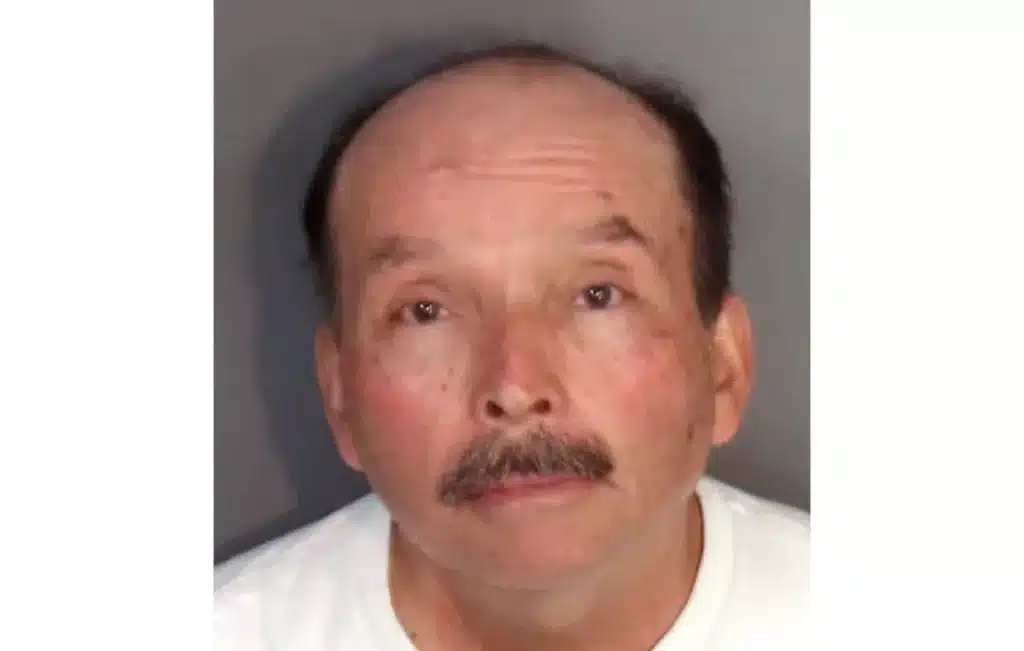
California authorities have charged longtime foster parent Edward Sepulveda with sexually abusing multiple children in his care.
Sepulveda, 68, reportedly fostered approximately 90 children over several decades. Riverside police accuse him of sexually abusing at least three girls and one boy. Some of the children were allegedly younger than 10 when the abuse occurred.
Police arrested Sepulveda on July 17, 2026. He faces 10 felony charges involving alleged sexual abuse. Authorities continue to investigate and believe additional victims may come forward.
These allegations demand more than an investigation into one foster parent. Child welfare officials must also determine how Sepulveda gained access to approximately 90 vulnerable children, what oversight he received, and whether anyone missed or ignored warning signs.
Allegations Against Edward Sepulveda
The Riverside Police Department began investigating Sepulveda on September 24, 2025. According to police, an adult survivor reported that Sepulveda had sexually abused her while she lived in his home as a foster child.
Investigators later identified three additional alleged victims. ABC7 reports that the four known victims include three girls and one boy. Police say the alleged abuse occurred from 1998 through at least 2013.
Many of the alleged incidents occurred inside Sepulveda’s former home on Highlander Drive in Riverside. Authorities also identified alleged incidents at locations in Moreno Valley.
Police arrested Sepulveda on July 17 and booked him into the Robert Presley Detention Center. He remains in custody on $1 million bail. Detectives have also started interviewing a potential fifth victim.
The charges remain allegations. Sepulveda has the right to a fair trial and remains presumed innocent unless a court finds him guilty.
Foster Children Depend on Adults to Protect Them
Children enter foster care after experiencing abuse, neglect, family separation, or another serious disruption. They need stability, safety, and trustworthy adults.
Instead, an abusive foster parent can exploit that vulnerability.
Foster children may fear that authorities will move them again if they disclose abuse. They may also worry that adults will not believe them. Some children feel grateful for food, shelter, or attention and struggle to understand that a caregiver has violated their boundaries.
An alleged offender may use that instability to create silence. The offender may threaten the child, manipulate the child’s loyalty, or convince the child that another placement would be worse.
These barriers help explain why many survivors wait years or decades before disclosing sexual abuse. Delayed disclosure does not make an allegation less credible. Often, survivors need time, distance, safety, and support before they can speak about what happened.
Foster Care Agencies Must Explain Their Oversight
Sepulveda reportedly fostered approximately 90 children. That number raises urgent questions about the agencies and officials who approved and monitored his home.
Investigators should ask:
- Which public agencies or private organizations approved Sepulveda?
- How often did social workers visit the home?
- Did they meet privately with each foster child?
- Did any child report fear, discomfort, or sexual misconduct?
- Did agencies document behavioral changes or placement disruptions?
- Did Sepulveda receive repeated approval renewals?
- Did anyone investigate prior complaints?
- Did agencies interview children after they left the home?
- How many social workers supervised the placements?
- Did heavy caseloads or poor recordkeeping prevent effective oversight?
Background checks alone cannot protect children. Agencies must actively monitor foster homes, speak privately with children, investigate concerns, and track patterns across multiple placements.
Child protection requires more than approving a home and completing paperwork. It requires persistent oversight and meaningful relationships with the children inside that home.
Institutions Must Investigate Possible Systemic Failures
The available reporting does not identify the agencies that placed children with Sepulveda. It also does not establish that any agency knew about the alleged abuse.
However, the number of children placed in the home and the length of the alleged abuse require a thorough institutional investigation.
Potentially responsible entities may include:
- County child welfare departments
- Private foster care agencies
- Licensing or approval organizations
- Placement contractors
- Supervising social service agencies
- Other organizations responsible for monitoring the home
Investigators should preserve placement files, home studies, licensing records, social worker notes, prior complaints, incident reports, training records, and communications involving Sepulveda.
They should also review each child’s complete placement history. A report that seemed isolated years ago may reveal a larger pattern when investigators compare it with other records.
Civil Lawsuits Can Expose Institutional Failures
The criminal case will focus on whether Sepulveda committed the charged offenses. A civil case can examine a broader question: Did an agency or institution fail to protect the children it placed in his care?
Depending on the evidence, survivors may pursue claims involving:
- Negligent placement
- Negligent screening or approval
- Inadequate supervision
- Failure to investigate complaints
- Failure to protect
- Improper licensing or recertification
- Institutional concealment
- Violations of duties owed to foster children
Civil litigation can provide access to internal records, testimony, placement histories, and communications. This evidence may reveal what agencies knew, when they knew it, and how they responded.
A civil lawsuit can also seek compensation for therapy, emotional distress, lost opportunities, medical expenses, and other long-term effects of childhood sexual abuse.
Each case depends on its facts. Survivors should consult an attorney who understands child sexual abuse, foster care systems, governmental liability, and California law.
Police Seek Additional Victims
Riverside detectives believe additional victims or witnesses may have information about Sepulveda.
That possibility should surprise no one. Sepulveda reportedly fostered approximately 90 children, while the alleged abuse spanned many years. Investigators must offer every former foster child a safe and trauma-informed opportunity to speak.
Authorities should never pressure survivors to disclose before they feel ready. However, they should clearly communicate that support remains available and that another survivor has already broken the silence.
Frequently Asked Questions
Who is Edward Sepulveda?
Edward Sepulveda is a 68-year-old Moreno Valley resident who reportedly fostered approximately 90 children. Riverside police accuse him of sexually abusing multiple children in his care.
How many victims have police identified?
Police have identified at least four alleged victims: three girls and one boy. Detectives have also interviewed a potential fifth victim and believe others may exist.
What charges does Sepulveda face?
Sepulveda reportedly faces 10 felony charges involving alleged sexual abuse. He remains jailed on $1 million bail.
When did the alleged abuse occur?
Police say the alleged abuse occurred between 1998 and at least 2013. One survivor contacted authorities in September 2025.
Can foster care agencies face civil liability?
Potentially. An agency may face liability if evidence shows that it negligently placed a child, failed to supervise a foster home, ignored warning signs, or failed to investigate complaints. The specific facts determine liability.
Can survivors pursue claims decades later?
Possibly. California has changed its statutes of limitations for many childhood sexual abuse claims. Deadlines depend on several factors, so survivors should seek individualized legal advice as soon as possible.
Speaking With a Sexual Abuse Lawyer About Your Rights
Children enter foster care because adults and institutions have promised to protect them. When a foster parent allegedly uses that position to commit sexual abuse, the system must investigate every placement, every complaint, and every missed warning sign.
Accountability cannot stop with the alleged perpetrator. Agencies that approve and supervise foster homes must answer for preventable failures that expose children to abuse.
The sexual abuse attorneys at Andreozzi + Foote represent survivors in civil claims against perpetrators, foster care organizations, government agencies, and other institutions. Our trauma-informed legal team can investigate placement decisions, preserve critical records, and explain the legal options available to survivors.
Contact Andreozzi + Foote confidentially at (866) 858-3790 or info@vca.law.
Photo courtesy Riverside Police Department


