Parents rely on after-school programs to provide dependable care and a safe place for children. When a church operates that program, families may also place deep trust in its leaders and staff. Allegations of abuse require answers about both the accused employee’s conduct and the protections surrounding children in the program.
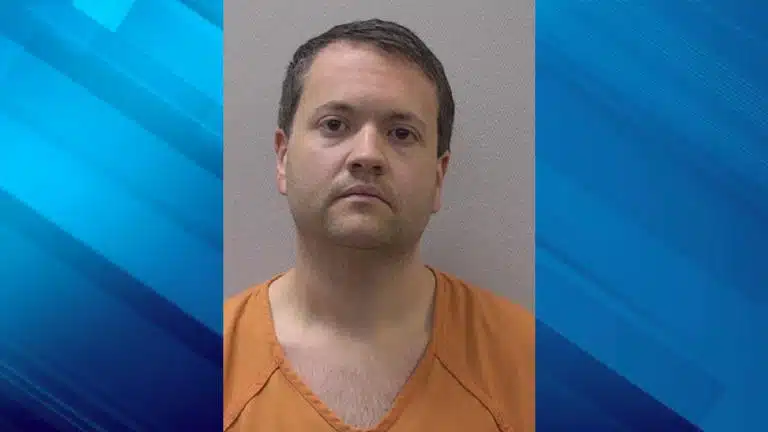
Zachary Turnage, an after-school care worker at Trinity Church in South Carolina’s Lower Richland area, faces charges after investigators alleged that he sent inappropriate communications to a child and sexually touched the child at the church.
The allegations remain unproven. They warrant a thorough investigation that centers child safety, preserves evidence, and examines any potential institutional responsibility.
Key Takeaways
- Zachary Turnage, 34, was arrested on October 10, 2026.
- Authorities charged him with second-degree assault and battery and contributing to the delinquency of a minor.
- The investigation began after a parent reported inappropriate messages involving a child who attended Trinity Church’s after-school care.
- The church’s pastor says staff undergo background checks and abuse-prevention training and that the church has cooperated with investigators.
- Potential civil claims depend on evidence of legally actionable conduct, including any institutional failures that contributed to harm.
What Are the Allegations Against Zachary Turnage?
According to WIS reporting citing the Richland County Sheriff’s Department, the child’s mother reported discovering inappropriate text messages and images from Turnage. Authorities identified the child as between 7 and 12 years old.
Investigators allege that Turnage also touched the child for sexual gratification at Trinity Church, where he worked in after-school care. Deputies arrested him following a traffic stop on October 10.
ABC Columbia reported that deputies initially responded to the parent’s report on August 28, 2026.
Turnage faces second-degree assault and battery and contributing to the delinquency of a minor. Those are the reported charges; descriptions of alleged sexual abuse should not be confused with a different statutory charge.
He is presumed innocent unless proven guilty.
What Has Trinity Church Said?
In a statement reported by WLTX, Pastor Jay Kennedy expressed concern for the affected families. He said the church conducts criminal background checks and abuse-prevention training, has participated in the investigation from the beginning, expanded its security cameras, and is offering counseling.
The statement describes measures the church says it has taken. It does not establish the outcome of an independent review of those measures or resolve potential civil liability.
Public reporting reviewed for this article does not establish that church leaders knew of the alleged abuse beforehand or failed to make a legally required report.
Private Messages Deserve Attention in Childcare Settings
The reported discovery of messages raises an important safeguarding question: how does a program oversee communication between employees and children?
As a general prevention matter, programs should establish clear rules governing staff contact with minors. Communication about activities, attendance, or transportation should use appropriate channels with caregiver visibility.
RAINN’s guidance on grooming identifies secrecy, isolation, inappropriate special attention, and boundary violations as concerns that can appear within a broader pattern of exploitation.
A message alone does not establish grooming. Context, content, frequency, and the adult’s behavior matter. Programs should have a process for responding to concerns before conduct escalates.
Children should never bear responsibility for enforcing an employee’s professional boundaries.
Background Checks Must Be Part of Ongoing Protection
The pastor’s statement about screening and training deserves acknowledgment. Families should also understand why safeguarding requires continued supervision after hiring.
A background check cannot substitute for clear communication rules, observable interactions, accessible reporting channels, and documented responses to concerns.
A meaningful review of a childcare program should ask:
- Supervision: Could an employee be alone with a child outside appropriate oversight?
- Digital contact: What rules governed personal phone numbers, texts, images, and social media?
- Complaints: Could families report concerns to someone independent of the employee involved?
- Training: Did staff understand how to recognize and report suspected abuse?
- Follow-through: How did administrators document concerns and verify corrective action?
- Evidence: Were relevant messages, personnel records, incident reports, and available footage preserved?
These questions identify areas for investigation. They are not findings that Trinity Church failed in each area.
South Carolina Reporting Duties Matter
South Carolina Code § 63-7-310 identifies categories of mandated reporters, including clergy and childcare workers in childcare centers. Reporting obligations depend on the person’s role, the information received, and applicable statutory provisions, including relevant privileges.
The statute also makes clear that an institutional reporting process does not relieve an individual of the duty to report or prevent a direct report to the appropriate authorities.
A church’s internal response should therefore be evaluated alongside any applicable external reporting obligations. Whether anyone violated those duties in this case requires evidence; the arrest alone does not establish a reporting failure.
Could a Church or After-School Program Face Civil Liability?
Potentially, when the facts support a recognized legal claim.
An employee’s alleged abuse does not automatically establish an employer’s liability. A civil investigation must examine the responsible entity’s duties, conduct, and connection to the harm.
Depending on South Carolina law and the evidence, attorneys may evaluate negligent hiring, supervision, or retention, or other actionable failures. Relevant information may include earlier complaints, documented boundary concerns, staffing practices, and the response when allegations emerged.
A criminal case focuses on whether the accused committed the charged offenses. Civil claims may seek compensation and examine whether institutional conduct contributed to abuse. Potential recoverable losses can include treatment expenses and other damages allowed by law.
Learn more about Andreozzi + Foote’s representation of survivors of youth organization sexual abuse.
How Families Can Respond
Authorities are encouraging parents whose children had contact with Turnage to speak with their children and share relevant concerns with investigators.
Keep conversations calm and open. Let a child describe concerns in their own words, avoid repeated questioning, and make clear that telling a trusted adult will not get them in trouble.
Preserve existing non-explicit communications and program records. Ask investigators how to handle potentially relevant images; do not copy or forward sexual images involving minors.
Families can also request information about current safety measures, reporting procedures, and available support. They should not have to conduct their own investigation before seeking help.
Frequently Asked Questions
Where did Zachary Turnage work?
Authorities identify him as a worker in Trinity Church’s after-school care program in Lower Richland, South Carolina.
What charges does he face?
The reported charges are second-degree assault and battery and contributing to the delinquency of a minor. The allegations remain subject to the criminal process.
Do background checks rule out institutional responsibility?
No. Screening is one part of safeguarding. A legal review may also examine supervision, earlier concerns, reporting, and other relevant conduct.
Can a family explore civil options before the criminal case ends?
Yes. A lawyer can evaluate potential claims while criminal proceedings continue. Available claims and filing deadlines require an individualized review.
Speaking With a Sexual Abuse Lawyer About Your Rights
If you or your child experienced sexual abuse involving a church employee, childcare worker, or after-school program, you deserve clear information about your options. Andreozzi + Foote offers free, confidential consultations to help survivors and families understand potential civil claims and institutional accountability.
Contact our team or call (866) 858-3790. You do not need to have every answer before reaching out.
Photos courtesy of Survivor Network of those Abused and WLTX