Key Takeaways
- Two residents were shot and killed and several other people were wounded in a mass shooting on Wednesday, September 2, at the Shoreline Plaza apartment building in downtown Minneapolis.
- The gunman was a ninth-floor resident who had been living in the building since March 2025 and who died in an exchange of gunfire with police.
- Property managers had been trying to evict him since June, and their court filings allege a documented pattern of gun-related threats and incidents at the building dating back months. His eviction trial had been scheduled for September 11.
- People injured in a shooting at an apartment complex, as well as the families of those killed, may have legal options if inadequate security or a failure to take reasonable precautions against a foreseeable risk of violence contributed to the incident.
Two Residents Killed, More Injured in Mass Shooting at Shoreline Plaza Apartment Building
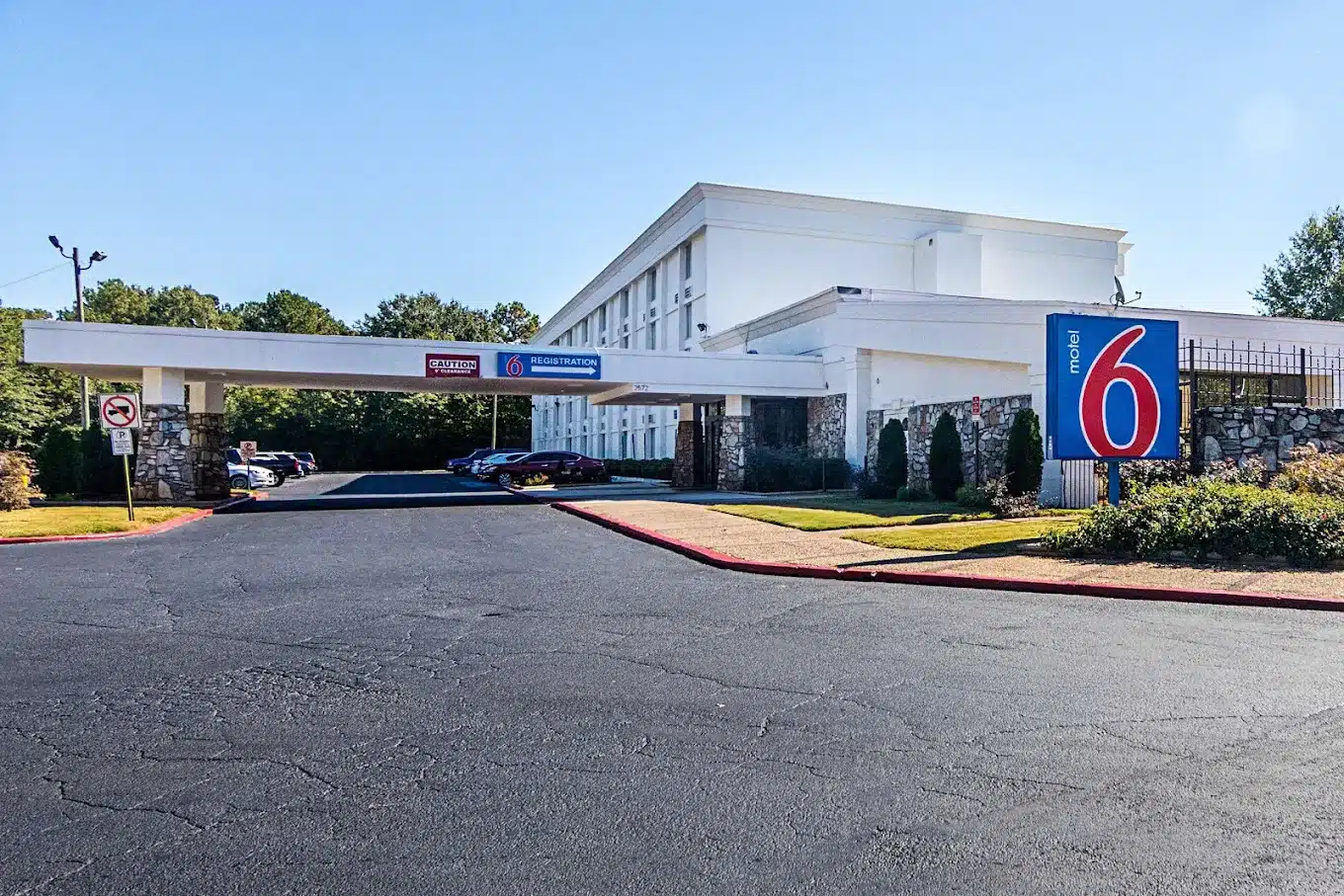
Minneapolis police responded shortly after 4:30 p.m. on Wednesday, September 2, to 911 calls reporting a shooting at 15 East Grant Street, the Shoreline Plaza apartment complex formerly known as Loring Towers, near the Minneapolis Convention Center, according to MPR News.
Minnesota Bureau of Criminal Apprehension Superintendent Drew Evans told reporters the following day that the shooting began outside the building during what appeared to be a routine child custody exchange between parents, MPR News reported. Evans said the gunman shot the mother of his child in the leg and that the child escaped with people in the area and was not physically harmed. Evans described the case as one of domestic violence.
The gunman then went back inside the building and shot two employees of the complex on the first floor, according to MPR News. Both survived, though Evans said one sustained critical injuries. He then took the elevator to the ninth floor, where his own apartment was located, and shot and killed two residents of the building. Officials identified them as Dale Henry Spry, 63, and Muse A. Afrah, 61.
Officers entered the building and followed the sound of gunfire up the stairwell, where they found the gunman and killed him during two exchanges of gunfire, MPR News reported. Evans identified him as Carlton Neal Johnson II, 35. Three officers were injured, two of them by gunfire. Officer Joseph Michnowski underwent surgery after being shot twice in the stomach and remained hospitalized, while Officer Yahye Ahmed, who was shot in the leg, was released from the hospital the following afternoon, according to CBS News Minnesota. Two additional officers were hurt when their squad car crashed on the way to the scene, MPR News reported.
Gunman Reportedly Faced Eviction
Johnson had signed a lease at the complex in March 2025 and lived on the ninth floor, according to FOX 9. Property managers had been seeking to evict Johnson since June, but the conduct documented in property records dated back earlier in the year.
The eviction complaint describes an escalating series of alleged incidents involving a firearm. It alleges that on June 11, Johnson walked around the building with a gun and entered the management office, where he displayed a handgun to staff members, and that around the same time he told other residents he had obtained a new gun and would kill someone, according to CBS News Minnesota. Two days later he allegedly displayed the gun to people on the sidewalk outside. Court filings say Johnson then contacted management asking for a second chance and was sent a written directive telling him not to display a firearm to others on the premises and to comply with Minnesota carry laws.
On June 16, an attorney for the property notified Johnson that his lease was being terminated effective June 29 following roughly half a dozen rule violations, MPR News reported. The complaint alleges Johnson continued to breach both the lease and the written directive after that, making statements to a security officer on June 19 about using a firearm while lifting his shirt to show the gun, and on June 25 walking the block with the gun visible and brandishing it at another resident in a common area before attempting to pressure staff into revealing who had called police, according to CBS News Minnesota. Investigative reporting by KSTP identified six separate instances of Johnson disturbing residents dating back to January. The allegations underlying the eviction case had not been adjudicated at trial before the shooting. His eviction trial had been scheduled for September 11
Minneapolis police responded to a call on June 25 about Johnson displaying a firearm to another person and determined that he held a valid permit to carry and had not removed the gun from his waistband, according to MPR News, which reported that the Hennepin County Attorney’s Office later said it found insufficient evidence to bring charges. Interim Police Chief Bill Peterson said the building had generated police problems in the past but had stopped being a problem property in recent years, adding that he had worked with building management on those issues during his time as inspector for the First Precinct. The BCA is investigating the officers’ use of force, CBS News Minnesota reported.
What This Shooting Means for Negligent Security Claims
Residential landlords in Minnesota owe their tenants a duty of reasonable care, and that duty can extend to taking reasonable steps to protect residents from foreseeable criminal acts on the property. People who sign a lease are not simply customers passing through. They live there, they sleep there, and they have limited ability to choose who else occupies the building or moves through its hallways, elevators, and common areas. That dependence is a large part of why the law asks landlords to act reasonably in response to dangers they know about.
Foreseeability is almost always the central question, and it is usually the hardest thing to establish. A claim often turns on whether the owner or manager knew, or should have known, that violence on the property was a realistic possibility. That knowledge can come from prior violent incidents, from police calls to the address, from resident complaints, or from what building staff observed themselves.
What makes this case unusual is where that record sits. The allegations describing months of gun-related conduct inside the building were not assembled after the fact by investigators or reporters. They were written by the property’s own attorney, filed in court, and served as the stated grounds for the eviction the property was pursuing. A landlord’s eviction complaint is, among other things, a written statement of what management believed was happening on its premises and when it believed it. Where a property has documented that kind of concern about a specific resident and a specific weapon, the question of what the property did with that knowledge, and how quickly, becomes central.
Removing a tenant takes time, courts control that timeline, and a landlord cannot simply lock someone out. But when property management is aware of a potential danger while an eviction remains pending, questions may arise about what other reasonable measures could be taken to protect residents in the meantime. In this case, it is fair to ask what protective steps, if any, were taken during that period.
Key Factors in Evaluating a Potential Claim
Details that typically matter in assessing whether a residential property met its duty to protect the people living there include:
- What security measures the property put in place after documenting concerns about a resident carrying and displaying a firearm inside the building
- Whether other residents and building staff were warned, and whether anyone was given guidance on what to do if the situation escalated
- Whether on-site security personnel were present, how many, what hours they worked, and what authority and training they had
- Whether surveillance cameras covering entrances, elevators, hallways, and common areas were operational and monitored
- Whether access controls at building entrances and on residential floors worked as intended and were enforced
- Whether the property followed its own written policies and lease enforcement procedures, and how it handled the reports it received from residents and staff
When residents are killed by a neighbor whose alleged threatening and firearm-related conduct had already been documented by property management, it raises serious questions about what steps were taken to protect those living in the building.
Were You Injured in the Minneapolis Apartment Shooting or a Similar Incident?
If you or someone you love was injured in the shooting at the Shoreline Plaza apartment building, or in a violent incident at another apartment complex or residential property in Minnesota, you may have legal options against the property owner or management company.
At Andreozzi + Foote, we represent victims of negligent security at apartment buildings, residential complexes, and other properties, holding owners and managers accountable when inadequate security, staffing, access control, or response to known dangers contributes to a preventable injury or death. Our team can help you understand whether a property met its legal duty to protect you, and what compensation may be available for medical bills, lost income, funeral expenses, and pain and suffering.
Every consultation is free and confidential.
Image sources: Shoreline Plaza, via apartments.com. Photo of Carlton Johnson II, the reported shooter, via KSTP-TV.